
How Is THCA Flower Tested? | Cannabis Law Report | Where to buy Skittles Moonrock online
Learn where to buy CBD Vape online. TOP QUALITY GRADE A++
Cannabyss Inc. is the best place online to buy top quality weed, cannabis, vape, marijuana and CBD products. Get your borderless orders delivered at the pickup spot with ease. Top Grade products for client satisfaction.
👉 Click here to Visit our shop! 🛒
If you’ve ever bought THCA flower (or even browsed for it), you’ve probably seen something called a COA—short for Certificate of Analysis.
It’s that official-looking PDF showing numbers, percentages, and words like “Delta-9 THC: 0.27%” or “Total Cannabinoids: 25.6%.” For most people, it’s just a box to check before they buy.
But here’s the thing: those numbers matter.
They tell you how strong the flower is. Whether it’s compliant. Whether it’s clean. Whether the company you’re buying from actually knows what they’re doing.
So let’s break it all down—no lab coat required.
What Is a COA?
A COA is a third-party lab report that shows the chemical makeup of a cannabis product—specifically the cannabinoid levels, and often also terpenes, heavy metals, pesticides, microbials, and more.
It’s how you know what’s in your bud. And just as importantly—what’s not.
For THCA flower, it confirms a few key things:
- That it’s high in THCA, not Delta-9 THC (which would make it federally illegal)
- That it contains less than 0.3% Delta-9 THC by dry weight (per the 2018 Farm Bill)
- That it’s free of contaminants like mold, mildew, pesticides, and heavy metals
You can usually find the COA linked on the product page—or better yet, a dedicated lab results page.
What Labs Test For (And Why It Matters)
Let’s run through what’s typically on a THCA flower COA and why you should care:
Cannabinoid Profile
This is the one most people look at.
You’ll see percentages for:
- THCA (the main active compound before heating)
- Delta-9 THC (should be under 0.3% by dry weight)
- CBDA, CBGA, CBG, and sometimes CBD (minor cannabinoids that add effect and complexity)
The higher the THCA, the more potent the flower will be once you smoke it. A THCA level of 20–30% is considered strong, especially if paired with good terpene content.
This also confirms the federal legality of the flower. If Delta-9 is over 0.3%? That product technically isn’t legal under hemp law.
Contaminant Testing
Not every brand runs this—but they should.
This includes tests for:
- Pesticides
- Heavy metals (like lead, arsenic, mercury)
- Microbials (mold, yeast, salmonella)
- Residual solvents (if extraction is involved)
Even if the flower looks clean, contaminated hemp can do serious harm—especially to your lungs. This is why organic THCA flower from certified farms has a huge edge: it starts clean and stays clean.

Terpene Profile (Bonus, but important)
Terpenes are the aromatic compounds that give cannabis its smell, flavor, and some of its effects.
A good lab will list percentages of:
- Myrcene (calming)
- Limonene (uplifting)
- Linalool (relaxing)
- Caryophyllene (spicy, grounding)
- Pinene (clear-headed, focused)
Terpenes + cannabinoids = the full experience. That’s why two strains with the same THCA level can feel completely different.
How Do You Read a THCA COA?
Here’s the quick cheat sheet:
- Total THC = (THCA x 0.877) + Delta-9
→ This shows you how potent the flower is after heating it - Delta-9 THC must be <0.3% by dry weight
- Check the date—fresh flower should have recent results (within 6 months)
- Make sure it’s from a real lab (not an in-house “lab” with zero accreditation)
And don’t just read the top numbers. Scroll down. Look for contaminant results. Look for batch numbers. Real brands don’t hide the details—they highlight them.
Why It All Matters
Lab testing isn’t just about following rules—it’s about protecting your lungs, your body, and your peace of mind.
Especially with THCA flower, where potency can vary and legality depends on exact numbers, COAs are your best tool to avoid sketchy products and overhyped mid. But here’s the uncomfortable truth: COAs can be faked.
We’ve seen it happen—edited PDFs, reused lab results, or labs that don’t actually test for contaminants. A nice-looking chart doesn’t mean much if it wasn’t done honestly.
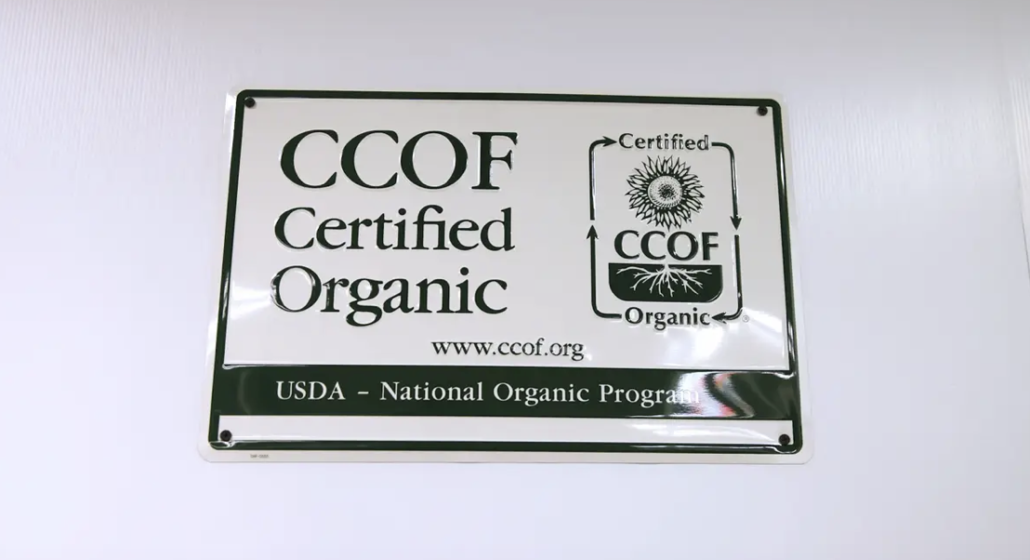
That’s why organic certification is still the highest trust signal a cannabis company can offer. When you see a USDA or CCOF Certified Organic seal, it means the entire process—from soil to cure—is held to strict, audited standards. No synthetic pesticides. No cutting corners. No games.
So yes, always check the COA. But also ask yourself:
Who grew this? How was it handled? And do they back it up with more than just a screenshot?
Transparency builds trust. Organic certification proves it.


Leave a Reply
Want to join the discussion?Feel free to contribute!