
What Texas Tenants Need to Know About Habitability Laws? | Cannabis Law Report | Where to order Skittles Moonrock online
Learn how to order weed online. TOP QUALITY GRADE A++
Cannabyss Inc. is the best place online to buy top quality weed, cannabis, vape, marijuana and CBD products. Get your borderless orders delivered at the pickup spot with ease. Top Grade products for client satisfaction.
👉 Click here to Visit our shop! 🛒
Renting a home comes with a basic expectation that the place you’re paying for is actually livable. What happens if you have a broken heater in January or have mold in your rented home, and the landlord is taking his or her time responding to your requests? The State of Texas has a law that addresses your complaint.
Generally, Texas Law has habitability laws that protect tenants from landlords who fail to make repairs as outlined in the lease. In many cases, tenants aren’t even aware of their statutory rights until they are stuck in a bad situation. So, whether you’re dealing with a maintenance issue right now or just want to know where you stand before something goes wrong, continue reading below as this post breaks down all you need to know about habitability laws.
The Warranty of Habitability in Texas
What Qualifies as Inhabitable?
Unlike many other states, Texas doesn’t use the term “warranty of habitability”. However, Texas provides similar protections for tenants under state law. According to the Texas Property Code, landlords are required to make all repairs that affect a tenant’s safety and health. Navigating Texas habitability laws usually requires tenants to provide formal written notice of the issue.
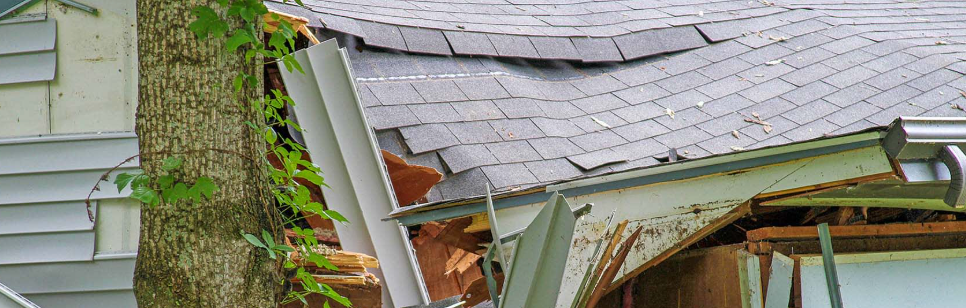
In real-world terms, “habitable” homes have functional plumbing, working heating/cooling systems, and a leak-proof roof. It also means protection from insect or rodent infestations. Electrical systems must meet current safety standards, and common areas should be adequately maintained if you’re in a multi-unit building.
Cosmetic issues, such as a scuffed wall or an outdated kitchen, are not habitability issues and are not covered. If your rental has failed to meet either of these standards, your landlord must complete the required repairs under the law and as a matter of moral obligation.
Golden Rules for Tenants
Although the term “warranty of habitability” is not used directly in Texas law, it exists in practice. According to the Texas Property Code, landlords are legally required to make repairs to items that affect the tenant’s safety and health, provided they have fulfilled their end of the lease agreement.
What this means for you is that if something in your rental is broken, unsafe, or otherwise renders the rented property uninhabitable, your landlord has an obligation to repair it. Examples of housing defects include a heating system, a roof that leaks every time it rains, or plumbing that simply doesn’t work. Also, understanding legal definitions and examples of landlord harassment is essential for maintaining a lawful rental relationship.
However, this protection isn’t automatic. You need to give written notice of the problem and be current on your rent before the law kicks in on your side. It’s a two-way street; your landlord’s duties include maintaining the property, and yours include complying with your lease.
Tenant Remedies if Landlord Ignores You
Lease Termination
If your landlord has gone silent after your written repair request, you’re not powerless. Texas law gives you a real way out; you may have the right to terminate your lease without penalty. In order for you to be able to do this, there are several requirements you will need to meet. You must have written notice, be current on rent, and give your homeowner a reasonable amount of time to respond, typically 7 days.
If they still haven’t acted, you may legally break your lease with your landlord under section 92.056 of the Texas Property Code due to the fact that your landlord has failed to live up to their side of the lease agreement.
However, before packing your bags, you need to document everything. Save your written notices, take photos, and keep a paper trail of every interaction. If your landlord pushes back or tries to hold you to the lease, that documentation is what protects you in court.
Repair and Deduct
Under Texas law, there are real ways to react if your landlord stops communicating with you after you report a repair issue. One of the most practical tools available to you is called “repair and deduct.”
If your landlord doesn’t take care of a situation affecting your health or safety within a reasonable amount of time, you can have someone fix it yourself and deduct the cost of the repair from your rent. According to Texas law, this is capped at either one month’s rent or $500, whichever is less.
Prior to doing this, ensure you send a written notice to the landlord, giving them at least 7 days to respond, and that you’re current on rent. Skipping any of these steps could put you in a legally difficult situation, even though your landlord is absolutely in the wrong.
Conclusion
Knowing your rights as a Texas tenant doesn’t make it difficult; if anything, it makes you prepared. If your landlord isn’t keeping up their end of the deal, you have real, legal options to fall back on. The key is to act the right way: provide written notices, follow proper timelines, and keep your rent current.
If things are already starting to get bad and you’re not sure what your next move should be, consider speaking with a local tenants’ rights group or a Texas attorney. This way, you can find out where you stand and determine whether your situation may worsen.


Leave a Reply
Want to join the discussion?Feel free to contribute!