
2 US House Reps Introduce Bill to Allow White House Drug Adviser to Publicly Back Cannabis Legalization | Where to buy Skittles Moonrock online
Learn how to buy CBD Oil online. TOP QUALITY GRADE A++
Cannabyss Inc. is the best place online to buy top quality weed, cannabis, vape, marijuana and CBD products. Get your borderless orders delivered at the pickup spot with ease. Top Grade products for client satisfaction.
👉 Click here to Visit our shop! 🛒
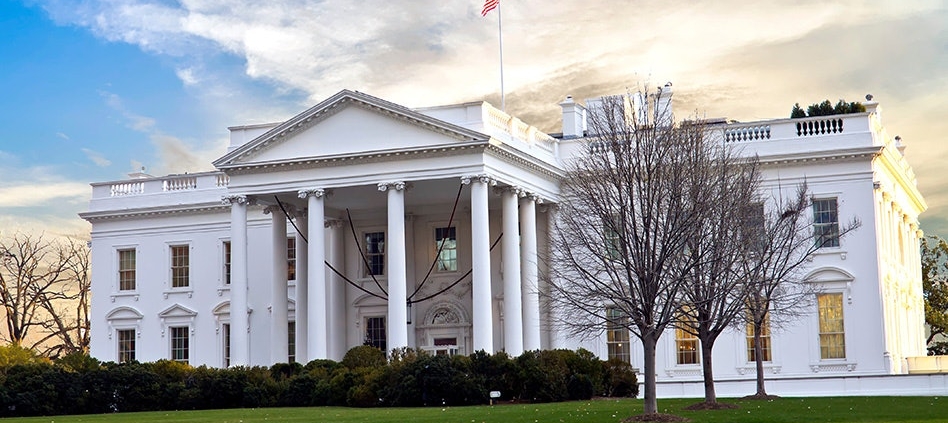
The Democratic co-chairs of the Congressional Cannabis Caucus are attempting to unzip the lips of President Donald Trump’s top drug adviser, allowing her to freely express where she stands on legalizing cannabis.
U.S. House Reps. Dina Titus, D-Nev., and Ilhan Omar, D-Minn., introduced the Evidence-Based Drug Policy Act of 2025 on April 29 to remove restrictions on the executive branch related to supporting research and policies on Schedule I controlled substances.
Specifically, the act would allow the White House Office of National Drug Control Policy (ONDCP) to finance and/or sponsor research related to medical or adult-use cannabis. Additionally, it would remove restrictions that force the ONDCP director to oppose legalizing Schedule I substances ahead of U.S. Food and Drug Administration approval.

“The Office of National Drug Control Policy and its director should be free to sponsor research or speak about substances like cannabis based on evidence and research,” Titus said in a release announcing the legislation. “Statutory restrictions on what can be studied and a mandate to oppose any attempts to reschedule substances like cannabis make no sense. It’s time to update the law to reflect the current use of cannabis in the United States and its medical benefits. The federal government needs to catch up to the states.”

The congresswomen introduced the act on the heels of a 2024 National Academies study that recommended Congress allow the ONDCP to study the impacts of cannabis legalization.
“Our nation’s drug policies have been shaped by stigma,” Omar said. “The American people overwhelmingly support cannabis reform, and yet the federal government continues to tie the hands of its own experts. The Evidence-Based Drug Policy Act is about bringing our laws into the 21st century, ensuring that the Office of National Drug Control Policy can do its job guided by facts, not outdated ideology. We need drug policy to follow the science and reflect the reality on the ground in states across the country.”
If passed by this Congress, the legislation would provide Trump’s nominee for ONDCP director, Sara Carter, the opportunity to speak freely on cannabis reform, such as a Schedule III proposed rule that Trump indicated his support for during the campaign trail in late 2024.
In nominating Carter last month on Truth Social, Trump hailed her work as a former Fox News contributor covering the fentanyl and opioid crises and investigating drug cartels.
While a federal statute prohibits ONDCP directors from endorsing cannabis legalization, Carter said on her podcast in November 2023 that she doesn’t have a problem with it.
“I don’t have any problem if it’s legalized and it’s monitored,” she said. “I mean, I may have my own issues of how I feel about that, but I do believe that cannabis for medicinal purposes and medical reasons is a fantastic way of handling, especially for people with cancer and other illness, you know, of handling the illness and the side effects of the medication and those illnesses. So, I’m not saying we’ve got to make it illegal.”
The Evidence-Based Drug Policy Act is supported by several industry advocacy organizations and trade associations, including the Drug Policy Alliance, the National Cannabis Industry Association, NORML, the Marijuana Policy Project, the U.S. Cannabis Roundtable (USCR), the Minority Cannabis Business Association, and many others.
Charlie Bachtell, the USCR’s acting chairman and CEO of Chicago-based multistate cannabis operator Cresco Labs, said the roundtable strongly supports the legislation to “ensure researchers have the ability to conduct rigorous research on medical cannabis and cannabis legalization.”
“The Department of Health and Human Services determined in 2023 that cannabis has low abuse potential and accepted medical use, and 80% of states allow some form of legal cannabis,” he said in the release. “Our nation’s research guidelines should reflect this reality.”
While the HHS determined cannabis has currently accepted medical use in the U.S. and recommended rescheduling it to Schedule III, that decision is ultimately up to the Drug Enforcement Administration, which answers to U.S. Attorney General Pam Bondi.


Leave a Reply
Want to join the discussion?Feel free to contribute!