
Ohio House Passes Cannabis, Hemp Bill Resulting From ‘Venn Diagram From Hell’ | Where to buy Skittles Moonrock online
Learn where to buy CBD Oil online. TOP QUALITY GRADE A++
Cannabyss Inc. is the best place online to buy top quality weed, cannabis, vape, marijuana and CBD products. Get your borderless orders delivered at the pickup spot with ease. Top Grade products for client satisfaction.
👉 Click here to Visit our shop! 🛒
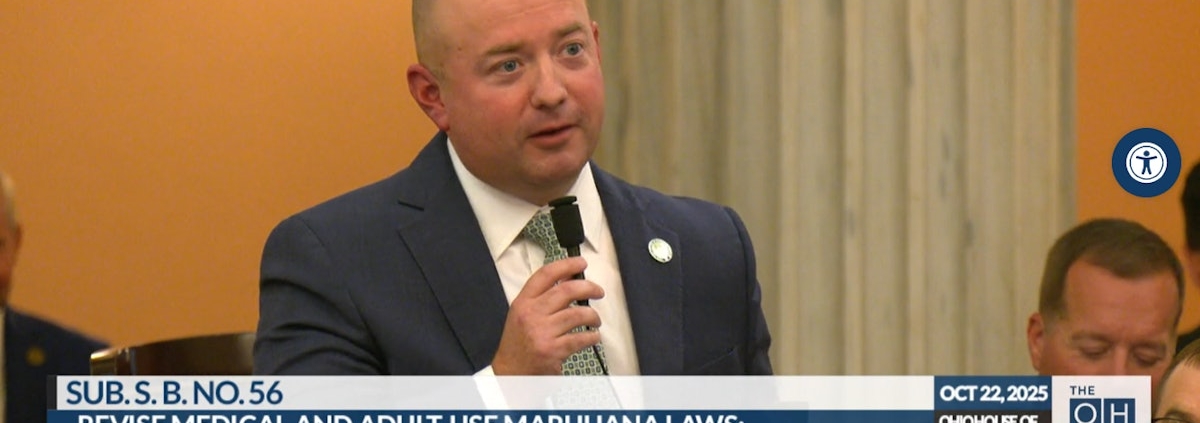
Ohio House lawmakers passed the 18th version of a bill on Oct. 22 that aims to alter the state’s adult-use cannabis laws that voters approved in 2023, while also creating a tightly defined regulatory framework for hemp products.
The 228-page legislation, Substitute Senate Bill 56, preserves many aspects of the voter-approved initiative, such as home grows (six per adult or 12 per household), sharing between adults 21 and older, and allocating 36% of cannabis excise tax revenues to local municipalities that host dispensaries.
However, the bill would prohibit public consumption at places like music concerts and bar patios, and those caught with cannabis purchased outside the state would be criminalized. No other state where cannabis is legal imposes such restrictions on out-of-state purchases, according to cannabis advocacy group NORML.
applauded the House Judiciary Committee for sitting on the legislation for nearly eight months as a means to prevent recriminalization measures “pushed by the Senate.”
However, many House members said during this week’s floor debate that Gov. Mike DeWine’s executive order issued Oct. 8 – one that attempts to shut down hemp-derived cannabinoid product sales and initiate emergency rulemaking – spurred lawmakers to go back to the drawing board for a legislative fix.
DeWine showcased various intoxicating hemp products in packaging that mimicked popular candies, like Nerds, Sour Patch Kids and Gushers, during his Oct. 8 press conference.
After lawmakers were at an impasse, DeWine’s executive order represented a turning point on Sub. S.B. 56, Rep. Tex Fischer, R-Boardman, said before Wednesday’s floor vote.
“I think we all had an agreement that that was not the intent of the hemp legislation at the federal level or here in Ohio, but we did need to do something to protect kids from these products,” he said. “Some of these products are truly illicit and truly dangerous, and everybody, no matter how fervent of an activist on the hemp side of this issue you were, agreed something needed to be done.”
Legislative disagreements had revolved around Ohio businesses that would be negatively impacted by language in previous versions of the bill, Fischer said.
Under the House-passed substitute bill, places where children “walk freely,” like gas stations and grocery stores, would be prohibited from selling intoxicating hemp products, while certain intoxicating hemp retailers, such as a qualifying vape shop, would be “grandfathered in” for licensure.
For a retailer to qualify for a grandfathered-in hemp dispensary license, that retailer must have sold intoxicating hemp products on or before Aug. 30, and the store’s receipts from hemp and intoxicating hemp product sales must have exceeded 80% of its total gross receipts for either the past 12 months or the 2024 calendar year.
“What about those people that have poured their blood, sweat, tears, years of work, potentially millions of dollars into building a business living by the rules that we set out, whether they were adequate or not, they were not breaking the law,” Fischer said. “Those were the people that I was motivated to stand up for, and while this bill doesn’t do everything that I wanted or everything that others want, I believe we have arrived at a reasonable conclusion to allow those people to still stay in business, to grandfather them into this new regulatory regime.”
No one under the age of 21 would be allowed inside these hemp dispensaries, which would be prohibited from selling cigarettes, tobacco, and vape or electronic smoking products under the bill. No more than 400 hemp dispensaries would be allowed in the state, unless those grandfathered in exceed that number.
While the biennial license renewal fee for Ohio’s cannabis dispensaries is $70,000, the two-year renewal license fee for a grandfathered-in hemp dispensary would be $35,000 under Sub. S.B. 56.
Meanwhile, hemp beverages, which the substitute bill defines as “drinkable cannabinoid products,” would be regulated differently. In addition, these products would be classified as low-level DCPs (5 milligrams or less of total THC per serving) or high-level DCPs (5-10 milligrams of total THC per serving). Only one serving per container would be allowed.
Neither low-level nor high-level DCPs would constitute an “intoxicating hemp product,” with DCPs falling under a separate regulatory framework for manufacturers, distributors and retailers. Still, sales to those under 21 would be prohibited.
Ohio retailers with Class C liquor licenses, such as grocery stores that sell alcohol for carryout only, would be allowed to sell high-level DCPs. Meanwhile, Ohio retailers with licenses for on-site consumption, such as restaurants and bars, would be allowed to sell low-level DCPs.
While the substitute bill would allow DCP manufacturers to create higher-dose beverages that contain more than 10 milligrams of THC, they would be restricted to distributing and/or selling those products to out-of-state partners.
Fischer said there were a lot of wins “for us so-called ‘hemp-resentatives,’” in the substitute bill.
“Many of you heard from beverage manufacturers, bars, restaurants, retailers about how popular these products are, but there are also a lot of folks that weren’t yet comfortable stocking these products because of the regulatory uncertainty that is a result of our inability to previously come to an agreement here in Columbus,” he said. “I think this strikes the appropriate tone of a reasonable, fair and pro-business regulatory regime while still maintaining that these products and consumers should be safe.”
While it’s unclear if the Senate will agree to the House’s amended substitute bill or take the legislation to a conference committee for further debate – before possibly sending the bill to DeWine’s desk – the potential outcomes are significant for Ohio stakeholders: cannabis businesses, hemp businesses, consumers, patients and children.
Rep. Jamie Callender, R-Concord, a long-time advocate for cannabis reform in the Buckeye State, acknowledged the legislation “is not perfect” before voting to support the bill.
Callender said a “no” vote on the legislation represents allowing retailers to continue selling high-THC products to children walking home from schools with impunity.
“I imagine everybody in this room can find at least one thing they don’t like in the bill, one thing they think can be improved on,” he said. “You have my commitment. I’ll keep working with everyone to make it better, but I believe we have to act.”


Leave a Reply
Want to join the discussion?Feel free to contribute!