
THC-A Shake Key Facts—Know About Production And Quality Standards | Cannabis Law Report | How to order Skittles Moonrock online
Learn how to order CBD online. TOP QUALITY GRADE A++
Cannabyss Inc. is the best place online to buy top quality weed, cannabis, vape, marijuana and CBD products. Get your borderless orders delivered at the pickup spot with ease. Top Grade products for client satisfaction.
👉 Click here to Visit our shop! 🛒
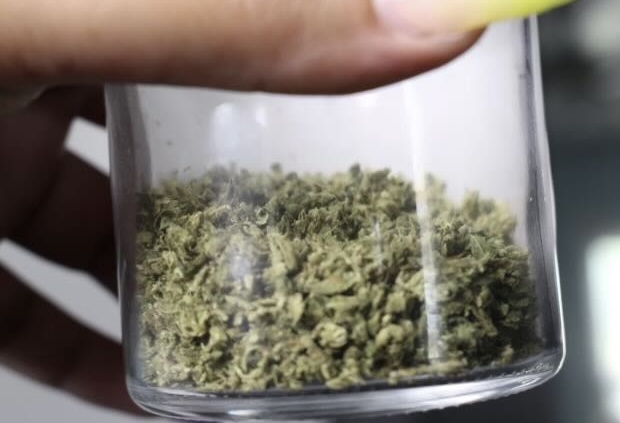
Within the hemp and cannabis industry, THCA Shake represents a specific byproduct that results from the trimming, sorting, and handling of larger flower batches. Composed of small fragments, loose leaves, and partial buds, it forms naturally during post-harvest processing and packaging. The production of shake involves collection, filtration, and grading steps designed to maintain consistency and prevent contamination. Understanding how THC-A shake is produced, evaluated, and categorized provides a clear view of the technical standards that define its place in the broader framework of regulated hemp-derived materials.
Know About THC-A Shake’s Production Process
Collection during trimming
During post-harvest processing, small fragments naturally separate from larger THC-A flower buds as trimming and handling take place. These particles—consisting of tiny buds, broken pieces, and loose plant material—are collected systematically throughout the trimming stage.
Specialized collection trays and containment systems are positioned to capture this material without introducing contaminants or mixing it with waste. Operators ensure that the collected fragments are kept distinct from other processing byproducts to maintain traceability within the production batch.

Sieving and screening
Sieving and screening are essential steps used to refine the THC-A shake after the initial collection phase. The process involves passing the material through mesh screens or automated sorting equipment to separate fine particles from larger fragments. This helps achieve uniform particle size while removing unwanted material such as stems or oversized pieces.
Screen calibration is adjusted according to production specifications, ensuring consistency across batches. Mechanical vibration or air-assisted systems are sometimes employed to improve precision and prevent blockages during screening.
Removal of stems and debris
Once the sieving process is complete, the material undergoes a manual or mechanical cleaning phase to eliminate stems, fibers, and residual debris. This step enhances uniformity and ensures that only viable plant fragments remain within the shake batch.
Operators typically use visual inspection, airflow separation, or light filtration methods to isolate unwanted material without altering the product’s structure. Any contaminants collected during this stage are cataloged and discarded according to facility sanitation protocols.
Batch blending for uniformity
After cleaning, the collected material is blended in controlled batches to achieve uniformity in texture, color, and particle size. This process ensures consistency across the final product, reducing variation that may occur between different harvests or processing cycles.
Mechanical mixers or manual turning systems are used to combine the material evenly without applying excessive pressure that could damage its structure. Operators document batch composition, weight, and mixing duration as part of standard production records.
Controlled storage conditions
Maintaining controlled storage conditions is essential to preserving the integrity of the THC-A shake after processing. Facilities regulate temperature, humidity, and light exposure to prevent degradation or contamination during storage.
Airtight containers or sealed bags are used to protect the material from external environmental factors, while storage areas are routinely inspected for cleanliness and compliance with regulatory standards. Environmental monitoring systems track and record conditions to ensure consistency across storage periods.
Quality Standards That Affect THC-A Shake
Consistency in particle size and texture
Uniform particle size and texture are primary indicators of quality in THC-A shake production. Consistency across batches reflects accurate processing, efficient screening, and proper blending methods. Variations in fragment size can lead to uneven density, affecting classification and packaging efficiency.
Manufacturers use calibrated sieves or automated sorters to maintain standardized dimensions, ensuring that finer particles and larger fragments are separated correctly. Documentation of sieve mesh size, blending duration, and inspection frequency is recorded as part of the quality assurance process.
Absence of foreign material or contaminants
Preventing the presence of foreign material or contaminants is a critical quality control requirement in THC-A shake production. Each batch undergoes visual inspection and mechanical filtration to remove unwanted elements such as stems, fibers, or residual plant debris.
Facilities implement sanitation protocols to minimize exposure to airborne particles and ensure equipment remains clean between processing cycles. Contaminant checks may also include random sampling for non-plant materials and documentation of removal procedures.
Moisture content within regulated limits
Maintaining appropriate moisture levels is essential for preserving the structural and compositional stability of THC-A shake. Producers monitor humidity and temperature throughout the drying, curing, and storage processes to ensure that the moisture content remains within regulated thresholds.
Excess moisture can compromise shelf stability, while overly dry material may result in fragmentation or reduced uniformity. Precision instruments such as hygrometers and moisture analyzers are routinely used to verify readings before packaging. All measurements are recorded in production logs as part of quality assurance documentation.
Compliance with labeling and documentation standards
Accurate labeling and proper documentation are mandatory components of quality assurance in THC-A shake production. Each package must display standardized information, including batch numbers, weight, producer identification, and analytical test references.
Labels are designed to meet both state and federal compliance criteria, ensuring traceability throughout the supply chain. Documentation accompanies every stage of production, from initial collection to final packaging, maintaining transparency for audits or inspections.
Verification through laboratory analysis and certification
Independent laboratory verification and certification ensure that THC-A shake meets all regulatory and production quality standards before entering the market. Samples from each batch are tested by accredited laboratories using validated analytical methods to measure composition, detect impurities, and confirm compliance with THC limits.
Certificates of analysis are issued to document test outcomes, serving as verifiable proof of regulatory conformity. These certificates are retained as part of mandatory recordkeeping and often referenced during audits or inspections.

Summing It Up
The production and regulation of THC-A shake follow a defined system that prioritizes consistency, cleanliness, and compliance. Each stage—from collection and screening to blending and controlled storage—is governed by measurable procedures that ensure uniformity across batches. Quality assessment extends beyond visual inspection, relying on documented parameters such as moisture control, contaminant removal, and verified testing results. Standardized labeling and certification requirements further reinforce traceability and accountability within the supply chain. As oversight frameworks evolve, maintaining alignment with regulatory and analytical standards remains central to ensuring operational transparency and industry integrity in the handling of THC-A shake.


Leave a Reply
Want to join the discussion?Feel free to contribute!