
Boston’s “Pure Oasis” Cannabis Dispensary Shutters Shop Without So Much As A By Your Leave – Unpaid Bills, Workers Shut Out etc etc | Cannabis Law Report | How to order Skittles Moonrock online
Learn how to buy Skittles Moonrock online. TOP QUALITY GRADE A++
Cannabyss Inc. is the best place online to buy top quality weed, cannabis, vape, marijuana and CBD products. Get your borderless orders delivered at the pickup spot with ease. Top Grade products for client satisfaction.
👉 Click here to Visit our shop! 🛒
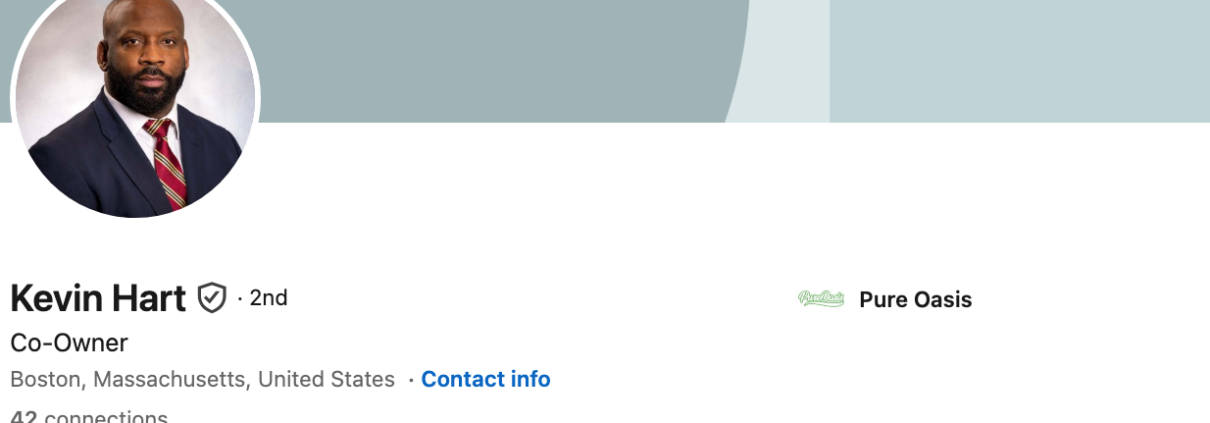
L-R Kevin Hart, Kobie Evans Co Owners Pure Oasis
Hoodline
Pure Oasis, the shop that billed itself as Boston’s first adult-use cannabis dispensary, abruptly shut its Grove Hall storefront last week, leaving workers out of a job and locked out of the building. Staff and customers say the closure followed months of unpaid bills and vendor lawsuits that ended in a sizable court judgment.
Employees Say They Were Told By Email
Workers said they learned the store was closing through an email that told them Pure Oasis was “shutting down effective immediately,” and that scheduling screenshots still showed shifts after doors were locked, according to Boston 25 News. Several staffers told the outlet they have been unable to retrieve personal belongings and that some are struggling to get unemployment because management has not responded to state verification requests.
How The Shop Started
Pure Oasis opened in March 2020 in Dorchester’s Grove Hall at 430 Blue Hill Ave, becoming the city’s first adult-use dispensary and one of the state’s early economic-empowerment licensees. The founders pitched the business as rooted in the neighborhood, even as Boston’s cannabis retail market expanded and competition intensified. Boston.com
Legal Filings And The Judgment
Court records show Pure Oasis faced at least six lawsuits over unpaid invoices in the past year, and a recent judgment for more than $2.2 million was entered against the company, according to Boston 25 News. Owner Kobie Evans told the outlet, “This has been an incredibly difficult situation for us, and our first priority right now is our team.”
Supplier Suits And Industry Strain
Vendors in the cannabis sector have increasingly turned to collections and lawsuits as the retail market cools. One industry trade publication reported that Blue Fox Brands sued Pure Oasis in December 2025, seeking roughly $63,000 in unpaid invoices – a snapshot of broader debt and collections pressure across cannabis storefronts. CRB Monitor The Massachusetts Cannabis Control Commission lists Pure Oasis in its public licensing documents, which means a prolonged closure carries both commercial and regulatory consequences. Mass. Cannabis Control Commission
Workers Left In Limbo
Staff members say they were turned away when they went back to collect personal items and that management communication has been sparse. The abrupt shutdown has tangled unemployment claims and left households scrambling to cover rent and other basic expenses.
What Comes Next
Evans has told employees the company is in contact with staff and is exploring options that might allow Pure Oasis to reopen, though he has not given a firm timeline. Creditors with large judgments can pursue collections that may complicate any sale, restructuring, or restart of operations, and neighborhood advocates are pressing for clearer information and access to workers’ belongings.
As of April 13, 2026, city and state officials had not announced enforcement actions related to the closure, and community leaders and workers say they want faster answers along with a path to recover wages and personal property. This story will be updated as new court filings, statements, or regulatory actions emerge.


Pure Oasis owner blames state’s ‘bureaucratic insanity’ for abrupt dispensary closure
Kobie Evans, co-owner of Boston cannabis shop Pure Oasis, says the state froze his company’s bank account for owing back taxes despite that fact that the business had been approved for a state grant that would have paid it down substantially.
Evans says that the seizure of the bank account by the state’s Department of Revenue forced him to close his business last week. He said the company owed more than $300,000 in taxes.
However, he said his business had applied for and was approved for a $300,000 grant from the Cannabis Social Equity Trust Fund at the time. The fund is a pool of money intended to promote equity within the state’s marijuana industry by giving financial assistance to cannabis entrepreneurs from communities that were disproportionately harmed by marijuana prohibition and enforcement.
“We specifically applied back in December for the grant to go against the taxes,” Evans told GBH News of the trust fund application.
A spokesperson from the state’s Executive Office of Economic Development, which oversees trust fund payments, said Pure Oasis was recently approved for a $300,000 grant. A disbursement process for those funds will begin soon, the spokesperson said.
Last week, Evans said, he and his partner learned that the DOR had decided to freeze the company’s bank account due to the delinquency, and did not offer any process for a potential payment plan.
“We can’t pay people, we can’t order product, we can’t operate, which means we can’t pay the balance,” said Evans. “That kind of bureaucratic insanity was the tipping point for everything.”
The Department of Revenue did not respond to a GBH News request for comment.
But Evans said the action prevented him from being able to pay anyone that day.
“We didn’t want to be in a situation where we had people working and their payment was in limbo down the road,” he said.
Pure Oasis was Boston’s first recreational cannabis dispensary, and the state’s first Black-owned cannabis shop, when Evans and co-owner Kevin Hart opened a flagship store in the city’s Grove Hall neighborhood in 2020. The pair later opened a second dispensary near Downtown Crossing in 2023.
Aside from the taxes owed, the company is also paying a $65,000 debt to a cannabis supplier from a past lawsuit, and is facing another $175,000 lawsuit brought by a construction company over work done on a third store Pure Oasis was planning to open in Brighton, according to Axios.
But Evans downplayed those lawsuits as a factor in company’s financial hardship.
“Usually what happens is that you come to some agreement and you do a payment plan, you pay over time,” he said, describing legal payments as typically manageable. “A lawsuit is something on paper that you ultimately settle, and you pay DOR when they leverage your bank account, you’re stuck, you’re frozen, you can’t do anything. That hits us smaller operators a lot harder than a multi-state operator with multiple locations in a grow facility.”
In the meantime, Evans said the store closures have made him numb.
“I haven’t been able to actualize those feelings yet because we’re in limbo with DOR, and I have 60 staff members that haven’t been paid,” he said.
Evans did not say whether stores will remain permanently closed, but did say he has been processing unemployment claims for employees.
An official with the state’s Cannabis Control Commission, which approves dispensary licenses, indicated that license-holders are not required to immediately surrender their licenses. They can either let them expire or transfer them to another owner.
Cannabis Control Commission Chair Shannon O’Brien said she learned of the situation through news reports, and plans to address ways to help struggling cannabis businesses with action later this week.
“This is one more example of why the Cannabis Control Commission needs to act swiftly over the next several months to help businesses facing significant headwinds with thousands of jobs at stake,” O’Brien said in a statement to GBH News. “At this Thursday’s meeting we will vote to get rid of burdensome and costly regulations that do not protect public health and safety.”
Evans also pointed to a confluence of changing market conditions contributing to the company struggling to pay its bills without outside funding.
“Seeing that our customers just don’t have the same amount of disposable income as prices increase, people don’t have as much money to spend on cannabis,” he said.
That, along with extremely low product prices, recent approvals that cleared the way for larger cannabis operators to move into the Boston market and a newly-approved bill awaiting the Governor’s signature that would bump up the number of licenses a cannabis owner can hold from three to six, “wasn’t a good signal,” for small, economic empowerment operators like Pure Oasis, Evans said.
“Every day it becomes harder and harder, every day staff have to go out and find a new job, every day, staff have to make life choices, and every day you’re not open, that’s income you don’t have.”


Leave a Reply
Want to join the discussion?Feel free to contribute!