
Cannabis companies worry about Chinese tariffs | How to order Skittles Moonrock online
Learn where to buy Skittles Moonrock online. TOP QUALITY GRADE A++
Cannabyss Inc. is the best place online to buy top quality weed, cannabis, vape, marijuana and CBD products. Get your borderless orders delivered at the pickup spot with ease. Top Grade products for client satisfaction.
👉 Click here to Visit our shop! 🛒
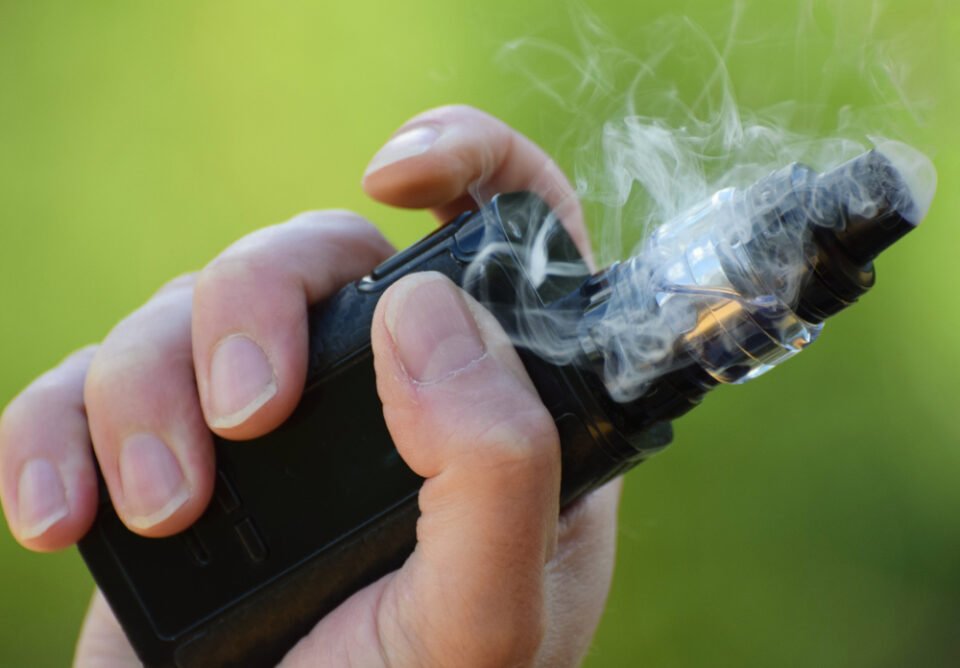
Cannabis companies in the U.S. operate within the country’s borders and drill down further, within state lines. So it would seem that international tariffs wouldn’t affect the industry. Unfortunately, that isn’t the case. From vape companies that depend on hardware from China and packaging companies that source products from overseas as well, cannabis is not immune to the chaos of Trump’s tariff threats.
Vape hardware worries
Michael Wang, Co-CEO of Ispire Technology Inc. said, “With the United States set to levy a 10% on Chinese imports, companies that fail to adapt could face soaring costs, disrupted supply chains, and a weakened ability to compete in a critical market. Given that much of the industry’s hardware is manufactured in China, any tariff hike would drastically increase import costs, driving up retail prices and threatening both business viability and consumer access to affordable, high-quality products.
Bryan Gerber, Founder and CEO of Hara Supply agreed saying, “Tariffs don’t protect American consumers, but they do increase costs for legal operators and risks for consumers. American vape companies must either absorb the higher costs or pass them down to their customers. At the same time, Chinese companies are incentivized to engage in tariff evasion, creating an unfair playing field, reducing market transparency, and allowing bad actors to exploit loopholes.”
Kate Hruby of KJH Strategy also noted that vape companies will have to make a hard decision as to whether they absorb the higher costs or pass it along to customers. “Companies may struggle to maintain their current pricing structures, especially if they can’t offset the additional costs. Others might decide to pass some or all of the tariff increases onto customers, which could increase product prices and potentially divert consumers to the illicit Market,” she said.
Packaging concerns
“In theory, nearly all packaging products for the cannabis industry can be manufactured in the U.S. Plastic containers, flexible packaging, and rigid paperboard products have strong domestic solutions. However, items like child-resistant tins, vape hardware, and complex glass components remain challenging to source locally due to limited manufacturing capabilities,” said AE Global’s Elizabeth Corbett, President of Enterprise Sales. Corbett went on to say that she doesn’t think the cannabis companies can absorb these price increases and will likely pass them on to the end user.
So can cannabis companies shift toward a domestic supplier to avoid the tariffs? Hruby said, “Switching to U.S.-made packaging could be a viable alternative for some companies, but it depends on several factors such as cost, quality, and availability. Domestic production may carry its own compliance premium and may increase compliance with New York’s post-consumer recycled content (“pcr” ) mandate. That said, U.S.-made products may not always meet the same design or functionality needs, potentially limiting this strategy for certain companies.”
She also added that cannabis consumers have brand loyalty, some of which is attached to specific packaging that adds to the brand’s identity. “Changing packaging could lead to decreased consumer demand and destroy a brand,” she warned.
Solutions
Many companies that are still around experienced tariff stress during the first Trump administration and know there are some ways to reduce tariff exposure.
Ispire’s Wang said, “Some vaping manufacturers like us have begun shifting production from China to Malaysia, a strategic decision aimed at minimizing the impact of trade tensions. Malaysia offers key advantages, including favorable trade agreements with major markets like the U.S., U.K., and E.U., as well as a strong manufacturing infrastructure and a skilled workforce.” He acknowledged that the transition presents logistical and regulatory challenges—such as ensuring compliance with the FDA’s Premarket Tobacco Product Applications (PMTA) — but noted that such changes better position the company for long-term growth.
Gerber of Hara is looking at India as an alternative. He pointed out that India has spent $1.2 trillion in improving its infrastructure, making it an even more attractive option.
AE Global’s Corbett said her company has already sourced as much of its business domestically to avoid tariff sensitivity. She said, “We have made significant capital investments in domestic manufacturing partners to meet these needs while keeping pricing competitive.”


Leave a Reply
Want to join the discussion?Feel free to contribute!