
White House Exploring ‘All Options’ for Cannabis Rescheduling, Trump Drug Adviser Nominee Says | Where to order Skittles Moonrock online
Learn where to buy cannabis online. TOP QUALITY GRADE A++
Cannabyss Inc. is the best place online to buy top quality weed, cannabis, vape, marijuana and CBD products. Get your borderless orders delivered at the pickup spot with ease. Top Grade products for client satisfaction.
👉 Click here to Visit our shop! 🛒
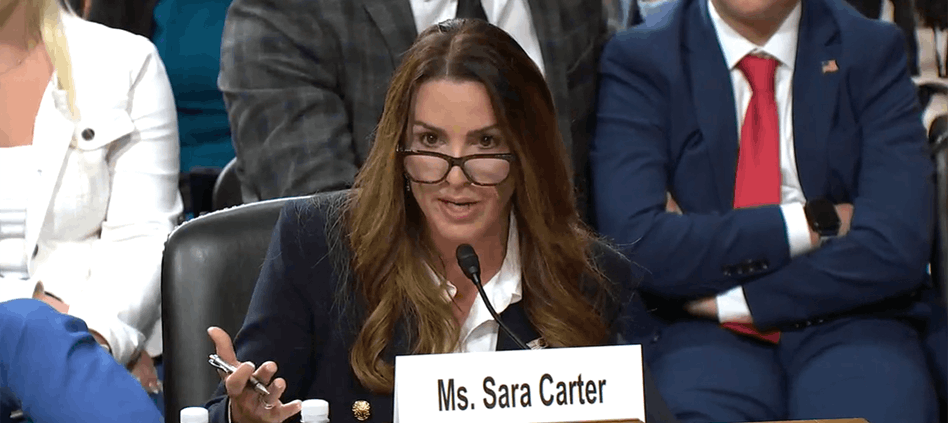
President Donald Trump’s pick to be the White House’s top drug policy adviser refrained from endorsing a proposed rule to reclassify cannabis from a Schedule I to Schedule III drug under the Controlled Substances Act.
That abstention was, in part, because her likely new role prevents her from publicly supporting such a reform.
restrictions on the executive branch prevent the ONDCP from supporting the legalization of Schedule I substances ahead of U.S. Food and Drug Administration approval. In addition, the restrictions prevent the ONDCP from financing or sponsoring research related to medical or adult-use cannabis under its current control status.
As a Schedule I drug, cannabis is listed alongside heroin, ecstasy and LSD as having no currently accepted medical use in the U.S.
In other words, Carter, if confirmed as Trump’s top drug adviser, will be unable to freely express where she stands on legalizing cannabis under federal law.
Booker acknowledged these restrictions during this week’s confirmation hearing.
“It’s unfortunate, but that makes the study of Schedule I drugs, including cannabis, really difficult,” Booker said. “And so, I’m hoping as we work together across the aisle on legislation that would simply allow the ONDCP to study the impacts that this might be something that you would support.”
“Absolutely,” Carter said. “We will continue to study the impacts of that.”
The legislation Booker was referring to is the Evidence-Based Drug Policy Act of 2025, which U.S. House Reps. Dina Titus, D-Nev., and Ilhan Omar, D-Minn., introduced in April. The act would allow the ONDCP director to speak freely on cannabis reform and support research for Schedule I drugs.
Titus and Omar, the Democratic co-chairs of the Congressional Cannabis Caucus, introduced the act after a 2024 National Academies study recommended that Congress allow the ONDCP to study the impacts of cannabis legalization. The recommendation came as 24 states have legalized adult-use cannabis for those 21 years and older, and 40 states have legalized medical cannabis.
“Statutory restrictions on what can be studied and a mandate to oppose any attempts to reschedule substances like cannabis make no sense,” Titus said in an April press release. “It’s time to update the law to reflect the current use of cannabis in the United States and its medical benefits. The federal government needs to catch up to the states.”
Booker, and perhaps other Senate Judiciary Committee members, can submit written questions for the record (QFR) related to cannabis for Carter to follow up on before she’s confirmed; however, it’s unlikely she’ll provide further details absent an official announcement from the Trump administration on the Schedule III proposal.
For example, Carter’s comment that she will “comply with all federal laws and fulfill all statutory responsibilities” largely mirrors what Drug Enforcement Administration (DEA) Administrator Terry Cole said during his confirmation hearing in April and his follow-up answers to QFRs.
“I would look at the individualized facts and circumstances and follow the law and any policies of the department,” Cole wrote, responding to one of Booker’s QFRs related to cannabis rescheduling.
While Carter may be limited on what she can say in her likely capacity as the director of the ONDCP, the former Fox News contributor who covered the fentanyl and opioid crisis while investigating drug cartels said in a November 2023 podcast that she doesn’t “have any problem” with cannabis being legalized and monitored, regardless of her personal opinions.
“I may have my own issues of how I feel about that, but I do believe that cannabis for medicinal purposes and medical reasons is a fantastic way of handling, especially for people with cancer and other illnesses, you know, of handling the illness and the side effects of the medication and those illnesses,” Carter said in the podcast. ‘So, I’m not saying we’ve got to make it illegal.”
Booker brought up Carter’s 2023 podcast comments during her confirmation hearing this week.
“You supported the use of cannabis for medical purposes, and we had bipartisan hearings here with military personnel talking about the transformative impact it’s had on their PTSD,” Booker said. “I just believe that we have a moment now where 40 states have made cannabis legal for medical purposes. Unfortunately, federal law is lagging behind state law and behind popular opinion all across the political spectrum.”


Leave a Reply
Want to join the discussion?Feel free to contribute!