
Witt Rabon & Jamar Brown: Building DRO, a Cannabis Lifestyle Brand – Ganjapreneur | How to buy Skittles Moonrock online
Learn where to buy CBD Oil online. TOP QUALITY GRADE A++
Cannabyss Inc. is the best place online to buy top quality weed, cannabis, vape, marijuana and CBD products. Get your borderless orders delivered at the pickup spot with ease. Top Grade products for client satisfaction.
👉 Click here to Visit our shop! 🛒
Fri / Dec 6th
Hosted by TG Branfalt
Find us in your favorite podcast app:
Spotify SoundCloud iTunes Stitcher
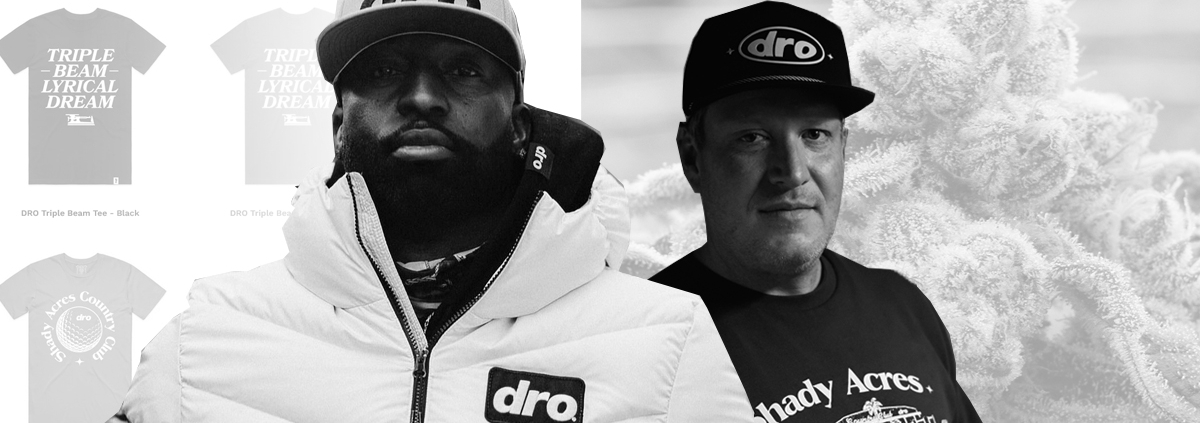
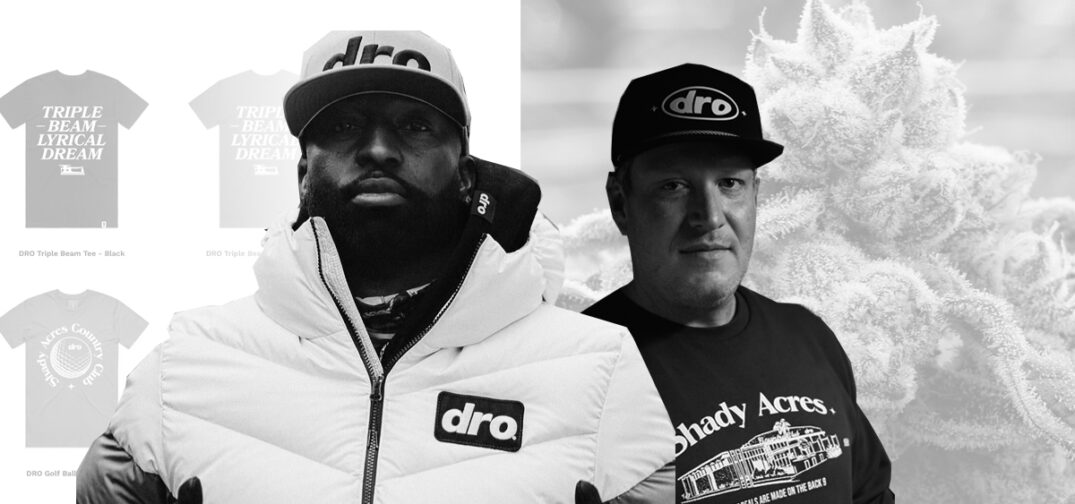
In this episode of the Ganjapreneur podcast, host TG Branfalt is joined by Witt Rabon, co-founder and COO, and Jamar Brown, co-founder and President of Brand Development for DRO, a Colorado-based cannabis lifestyle brand that has been redefining cannabis culture since its launch in 2014. DRO stands out by weaving authentic storytelling, cultural identity, and bold design into its clothing and cannabis products. In this episode, Witt and Jamar share the origins of DRO, reflecting on how their personal journeys—from professional sports and corporate branding to a shared love for cannabis—helped shape the company’s unique voice and vision. They delve into how DRO transitioned from an idea sparked during their time as coworkers to a thriving lifestyle brand blending cannabis and fashion.
Other topics discussed in this interview include:
- The importance of connecting with consumers through authentic, relatable stories
- The role of design in bridging cannabis culture with mainstream audiences
- The importance of advocacy, social equity, expungement, and using their platform for cannabis education
- DRO’s approach to licensing deals, and the challenges and opportunities of entering big-box retailers
- And more!
This conversation offers a compelling look at the intersection of cannabis, culture, and business, highlighting DRO’s journey as a brand that honors legacy culture while helping shape the landscape of the legal cannabis industry.
Listen to this episode via the player below, find it on your favorite podcast app, or scroll down for the full transcript!
Listen to the episode:
Read the transcript
Editor’s note: this transcript was auto-generated and may contain errors.
Commercial (00:03):
The Ganjapreneur Podcast is made possible by over 500 cannabis industry service providers in Ganjapreneurs Cannabis Business Index. At some point, every plant touching brand experiences the stigma that many industries still have to toward cannabis going strong. Since 2015, our business index is the most comprehensive and frequently visited directory for cannabis friendly services on the internet, saving you the time and hassle of sifting through uninformed and unwelcoming providers with categories for everything from business financing, to extraction equipment to interior designers and public relations. You’ll find every kind of specialist and business service you could ever need. Check out the business index today at ganjapreneur.com/businesses.
TG Branfalt (00:49):
Hey there, I’m your host, TG Branfalt, and this is the Ganjapreneur.com podcast where we try to bring you actionable information and normalize cannabis through the stories of entrepreneurs, activists, and industry stakeholders. Today I’m joined by Witt RayBan. He’s the co-founder and COO and Jamar Brown, co-founder and president of Brand Development of Colorado based cannabis lifestyle brand DRO, which first launched in 2014. How are you guys doing this afternoon?
Witt Rabon (01:18):
Oh, we’re doing good, man. How about you?
TG Branfalt (01:20):
Cool, man. Cool. I’m really excited to have you guys on. You’re the first sort of cannabis lifestyle brand that I’ve had on the show, so a lot of questions that I have for you. But before we get to those, tell me about yourselves. What’s your background and how’d you end up at DRO? I’ll let you go first. Jamar.
Jamar Brown (02:00):
My background, basically it is how I ended up in Colorado. So I actually went to school at CSU Pueblo and I played probably professional 10 years. For 10 years, and I just ended up staying in Denver. So while I was in Denver, I was up at MusclePharm. One of my friends introduced me to MusclePharm, and this is how I met Witt. And then our other business partner that was with us and Whit just came with me with an opportunity for Dr, and I thought about it, it’s my lifestyle. That’s how I was raised. I’m from Cali, drove life. It was supposed to be even. It was supposed to be no matter what. Like my mom, my dad, the background, marijuana, hydro, it’s me. It’s always in me.
TG Branfalt (02:58):
What about you? How’d you end up at DRO?
Witt Rabon (03:03):
Kind of similar story to Jamar’s. Basically we started out, we were both all working at MusclePharm together, and then me, Jamar and our other partner at the time, we were like, this is a facility filled with, I don’t know, it was filled with a bunch of Mormon meatheads. So us three with Jamar being from we all three kind of liked weed. And with weed, right, you pick up real quick in any sort of work environment or social environment who’s down, right? And we figured out the smokers. Yeah, we figured out that us three were kind of down with the weed stuff a lot more than everybody else there. So we kind of all latched onto each other a little bit more. So we were all just really good work friends and our partner at the time, like I said, we were all working at MusclePharm and saw the, it was kind of going from its pinnacle to, its more of a, I wouldn’t say a downward trend, but just definitely was not as hyped as it once was. And we were like, man, we can really do this. And once we saw DRO and the opportunity to jump on, me and Jamar are both like, this is us. We love weed, we love branding, we love marketing. We’ve had a lot of success in the sports nutrition field in the MMA industry with the clothing. We were like, we can do this ourselves. So that was pretty much just being at MusclePharm and seeing other brands while we were working there and basically learning how to build a brand was really what brought us all together.
TG Branfalt (04:45):
And so MusclePharm, it’s like you said, it’s a sort of sports lifestyle, sort of MMA lifestyle type brand. So then in your opinions, what defines a cannabis lifestyle brand?
Witt Rabon (05:00):
I would say just a brand that people feel like they’re connected to through the brand’s story. And that’s because everybody wants to hear a story and be attached to a story. And in cannabis it’s a bunch of just product. And these guys are like, oh, look we’re “Leaf Company” or whatever. And you’re like, okay, well outside of your dad gave you some money, what’s your story? Why is this weed special? It’s all just a bunch of warehouse weed at the end of the day. And whether it’s good warehouse weed or mediocre or bad, it’s all out of a warehouse. So how do you make this lifestyle and connect your customers to your product? And that’s, one, through your story. And then also through cultivating certain strains that actually have a little bit of a story behind them as well. Because if you go back to the beginning days of drug dealing before legal cannabis, the really good stuff always came with a story. You remember that the good stuff always had a story about the certain grower who grew it up in the mountains in Humboldt or what in Kentucky or wherever this shit came from. Nobody just sold it to you. Hey, it’s a bag of weed, it’s this price, buy it. They probably did, but at least when I was doing it, man, we always have a story behind that shit. Like I said, where it came from, who grew the shit, how it made it into your hands,
Jamar Brown (06:40):
That’s the bigger story because how it made it to your hands, that’s a story behind the story. And it’s all about being organic and people love to watch people. That’s not trying hard, not to say not trying hard, but being their self and being organic within the culture.
TG Branfalt (06:58):
Well, and I think it speaks to what you guys are sort of creating, because if somebody clicks on about section on your website, it’s a story. It’s esoteric. It’s very, very different.
Jamar Brown (07:11):
Yeah. Yeah. So
Witt Rabon (07:15):
Go ahead.
Jamar Brown (07:15):
Yeah. Oh my fault. But yeah, it’s different. And then it’s different stories within, because I play basketball, I smoke weed all around the world. I come from a heavy marijuana culture back home and you just keep building that story.
TG Branfalt (07:33):
So let me ask you, Jamar, what did you take away from that previous life before DRO? I mean, it’s one thing, the sort of MusclePharm aspect of it, but to be a professional international basketball player, I mean, that’s an entirely different sort of path.
Jamar Brown (07:51):
Yeah, it’s a different path. And then how social media is today when I was playing, I wouldn’t even talk about weed. I wouldn’t wear a weed shirt because it’s a business at the end of the day and I need a contract to provide for me family, et cetera or whatever. So you’ll be, they know you smoke, but they don’t want to know that you smoke. So I got a story where I went to Turkey and as soon as I landed in Alia, they tested me and the team manager came to me and he was just like, yo, make sure you just don’t smoke out here no more. I be don’t smoke out here. So they knew previous when I took my test, it came up dirty. They knew I was smoking, so I just waited till the end of the season and me and one of my teammates, so we had a soccer club too, so it was like 50,000 people, and we were just at his condo looking at the stadium, and he barely knew English. I definitely barely knew Turkish, but we both smoking a joint looking at the game, trying to figure out how we could win a championship for basketball. It’s just like the weed for me, bro. The world is full of hellos.
(08:59):
So the previous life, it’s easier now because when we first started, me being in that industry, I had players in there, it was just hard to get to players to wear DRO or whatnot just because, and now it’s a lot of players that are aware it represent it, it opened up, they’re not getting tested no more. So it’s a lot easier now.
TG Branfalt (09:25):
And so why are these sort of lifestyle brands important to the broader cannabis culture, which is really what we’re talking about here.
Witt Rabon (09:33):
Yeah, so I think the reason why is because one, it’s helping it become more acceptable and also helping it become more mainstream. Because if you’re just looking at cannabis itself and you’re telling some old guy like, oh yeah, it’s this dried up plant and you grind it up and smoke it, they’re thinking, oh, that’s devil’s lettuce. But when they get it presented to ’em, have you ever taken your parents in a cookie store? I mean, dude, they’re so overwhelmed. They’re like, look how professional this is. Everything’s all bright and colorful and dude, my parents don’t smoke weed or eat edibles at all. They bought shit in the store because they felt so comfortable with the branding and the way it was product was presented to ’em, right? I don’t think my dad would ever buy a bag of flower in a Ziploc, but when he saw it presented as a real nice pre-roll with some gold foil packaging, he was a lot more curious about the product and he wanted to try it.
(10:41):
And then he starts identifying the brands and seeing what’s what. And I don’t know, I think like you said, the brands really, really helped. The people that were not buying Ziploc bags of flower be a part of this. And what’s funny is eventually those people move from the branded packaging in stores, and once they start smoking, they’re like, oh, I want some street shit too. Then they start going backwards and wanting the Ziploc fire because it’s just funny to watch the natural progression of everything. But like I said, and even how everybody’s branding the product now, right? Too is everybody’s branding products. That’s not a hard thing to do is come up with a logo and brand yourself, but it’s just the fact of what brands we’re seeing now the people latch onto and gravitate to. And those are the ones that have a story behind them, like I said, where the people can actually relate to the company owners.
(11:42):
Maybe they can relate to the grower or even the story behind some of the genetics that they’re growing. Whereas like I said, a lot of these brands are just like, oh, my company’s called “Ocean Leafs,” buy my product. We grow weed. And you’re like, what else do you do? But yeah, I think that’s why lifestyle brands are important is because it’s the gateway to education really is what it is, and it gives people something to stand behind. I mean, if you look at any industry, like alcohol industry, people have their go-to beverages and there’s people that they don’t drink shit else, but Coors Light, they’re diehard Coors Light fans. And some of that’s the same thing is somehow at some point in time, Coors Light spoke to that person and made them a lifetime drinker. Whether it was just maybe the old Coors Light commercials where that just heavy were marketed towards the blue collar working man. Same thing with a lot of flower brands too. Look at that brand old pal, right? They were always known for giving you a little bit more. It was just grounded up weed in a tobacco pouch, but it’s actually one of the bigger brands in cannabis today. We might not know about it because we’re not that old dude buying that, but at the same time, they have that market cornered.
TG Branfalt (13:14):
Interesting. What about for you, Jamar? What are lifestyle brands? Why are they important to the broader cannabis culture?
Jamar Brown (13:25):
For me, the reason why it’s important because say if I go in the store, I see five different brands, one of them brands going to relate to my lifestyle, and if the weed is good and everything’s on point, I’m going with that brand. So it might be two strains I really, really like, but they might introduce me to a third strain that I really, really love. But it’s got to be within my lifestyle. I can’t just go smoke to the left because it’s cool. I got to smoke it. I like it, I want it, and I’ll pay for it,
TG Branfalt (14:06):
And it’s got to be different. It sounds like one of the things about your designs, your clothing designs that really struck me was they’re very interesting. They’re different. Again, this sort of esoteric-ness comes up. I’m a guy who, 40 years old, watches adultswim, and the shirts, the designs, they speak to me and I want to know what does that idea’s process look like? You’ve got a Calico cat holding a weapon, and it’s great. It speaks to me as different and a bit charming, if you will. So what does that process look like?
Witt Rabon (14:50):
So basically what we come up with the clothing designs is we try to do themes. Each collection where it sort of speaks, we might do a summer theme that was just related to, we did a whole beach club line where this whole entire collection was just dedicated to, it was almost like the lifestyle of lounging at a resort every day and the lifestyle that these kids that live on beach towns get to live every day where they just wake up and roll out of bed, throw some board shorts on and go kick to the beach with a bunch of chicks and have bonfires and parties. So we just try to do designs based upon different themes of what we feel like at the moment is cool and fun. Some of those other designs like the Coleco T and a lot of the ones you see on the website now, we do have some more classic based designs that we’re, we like to bring back in different colors or put it on different mediums, which the one you’re referring to is one of those that it was actually part of a collection dedicated to El Chapo that we did, and that was a piece that went with some Florence prison kind of themed year that we did.
(16:07):
But we brought it back in those new colors this summer because we wanted to do a whole drill classics line in new colorways for this summer just because now we’re at that point where we can go bring back shit from eight years ago. So yeah, that’s one of the design processes. I guess the creative process in coming up with these is a little bit more, it’s really based upon whatever the designers feeling on their pop culture vibes.
TG Branfalt (16:35):
And Jamal, you’re the president of brand development, so what role do you sort have in all of this
Jamar Brown (16:42):
Placement? Product placement, getting stuff to artists, making shit cool.
TG Branfalt (16:50):
You’re the guy responsible for making shit cool.
Jamar Brown (16:53):
Pretty much being at the right time at the right place, luck, it all comes together being six foot nine being a bully.
TG Branfalt (17:05):
I guess if you walked into Rube, I’d feel compelled to work with you in some form or fashion or else you’ll dump.
Jamar Brown (17:12):
I’m not coming in to break no legs or that, you know what I’m saying? I did all smiles. That’s what I roll with.
Witt Rabon (17:20):
It works because when JB walks in the room, he’s six nine and he’s got a drill hat on. What’s the one thing you’re going to see? You’re going to remember from that event, that networking event you went to? You’re like, that’s all I remember is this big guy with a drill hat on. But I don’t know, we’re going to do some business with him,
Jamar Brown (17:36):
Walking billboard, walking billboard.
Witt Rabon (17:42):
So it works because it’s, like I said, jb, it works well because JB is somebody that people want to talk to and immediately like, I got to hear this guy’s story, so it works well. I walk into a room or whatever. I kind of have to push it a little bit further. But it’s cool because it all works. Everybody can go in different rooms and come out with different results and it can all come together in the end.
TG Branfalt (18:14):
It’s hard for any company, clothing company, cannabis company, small business startups to stay in business for as long as you guys have going on 10 years as a company. How have you maintained the success for that long?
Jamar Brown (18:32):
Consistency? Pretty much. I mean, sleepless nights, early mornings, just being true to the brand and once we are the brand, so people gravitate around us, it’s a lot to deal with, but at the same time, I wouldn’t switch it up for nothing.
Witt Rabon (18:58):
I would say as far as being around for this long, it’s learning to deal with the ebbs and flows of the apparel and cannabis industry really is just knowing in your mind that, Hey, summer 22 might not have been that great. You got to stick with it and because summer 23, you’re going to be doing 10 times as much as you were. So I think that’s really a lot of it is just persistence, being consistent like JB just said, and just being willing to not give up when it’s not going your way. Really the hardest part is the discouragement because you can do everything in the world, but when you’re dealing with partnerships, licensing deals, third party manufacturers, somebody somewhere’s going to mess up and you got to figure out how to pivot from that really quickly and keep going and not just roll up in a corner and cry.
TG Branfalt (20:00):
How much have you guys had to learn on the job?
Witt Rabon (20:04):
Oh, everything.
Jamar Brown (20:06):
Everything’s hands on
Witt Rabon (20:09):
Every day. We learn something new every day. It changes too. Every single day in the cannabis industry is a new rule, a new law, a new packaging formulation you have to go and follow. So yeah, there’s a lot of that. It’s a lot of fires to be put out all the time, but that’s just part of it. There’s not a single industry in the world where I don’t think this goes on.
TG Branfalt (20:38):
So you guys have partnered with a variety– you had a variety of partnerships. One of the ones that I particularly like is that Riot Society line. How do you identify partnerships and what qualities do you look for in a partner?
Witt Rabon (20:55):
A lot of times it’s honestly just our relationships is who you end up partnering with because all humans, so we all tend to grab the low hanging fruit. So you just start, we were friends that have known the guys from Riot Society since we started the company, and we’ve been ping ponging back and forth a collaboration idea for damn seven years prior to doing it.
(21:22):
And then finally one day we were just finally one day planets aligned. Everybody had enough time at the moment to sit down and actually execute it. So that’s kind of how the Riot Society thing started. We obviously like and respect Riot Society in terms of their practices as far as being able to penetrate big box stores and be successful in those stores, their speed to market capabilities. Like I said, there’s a lot of partnerships we turned down. Unfortunately, it’s just because you talk to ’em and you just don’t vibe with each other and you’re like, man, I don’t know if I could work with them. But Riot Society was a very easy project to work on. We work a lot with Waka fka, he’s one of the owners of the company as well. So I knew Waka from a previous, I used to work for Live Nation and be in the concert business, so I knew Waka before this. And the second I saw DRO, I was like, I know who’s going to be a part of this is Waka. I was like, this is made for him too.
TG Branfalt (22:30):
Bit of serendipity.
Witt Rabon (22:32):
So that’s pretty much how the partnerships happen is just through people. And a lot of times too, man, it’s like you get hit up randomly by a company on the internet and you just go partner with them because there’s old saying that strangers will make you rich. I mean, not necessarily saying strangers have made us rich by any means. We’re still trying to get there, but at the same time, we’ve seen a lot of support from strangers. People come out of the blue, big time people and they’re just like, yo, I mess with this. This speaks to me. What can we do together? And it just works out. So I would say that’s how collabs are determined really is through our relationships. And then if the right person hits us up at the right time, sometimes the magic happens.
TG Branfalt (23:28):
And Jamar, when do you know things are going right? When you’re talking to a potential partner,
Jamar Brown (23:34):
When they’re interested, very, very interested in the bread, it speaks volume, and that’s what they locked on there. But then I know when it’s right, the vibe between us and a potential partner because you could have somebody come in and it could just be a money grab for them while we’re working a company, which we done seen it before, and you catch that red flag. But it is the vibe, how passionate they are about the brand. If you’re passionate, I’m passionate, let’s get on some paper and let’s dance pretty much because yo, I use it as a speed bump. Either take your time going two miles an hour or go 90 and crash everywhere. There’s a lot of Crashers out there. I used to be one, now I know how to take my time and figure it out.
TG Branfalt (24:31):
And so you guys have penetrated Zumiez?
Witt Rabon (24:37):
Yes. So we were in Zumiez back in, we actually got into Zumiez in the middle of Covid. Ironically, probably not the best timing on our part. Lesson learned. You get hit up by a big box store, man, I don’t care what time, there’s never a good time. I mean, obviously there’s better times than others, but you’re just like hindsight. We should have waited till after Covid was done where people could go in the store and shop. But now it was a good experience to be in the store to learn how these hangar programs work and how these big box stores need their stuff delivered and accomplished. We’re not in Zumiez right now. We’re still in their matrix, so I’m not saying you won’t ever see it in there again. Hopefully you will. We’re actually in Tillys and PacSun right now.
TG Branfalt (25:29):
So how did those deals come about? You said that Zoomies found you.
Witt Rabon (25:35):
No, we solicited Zumiez. We, once Waka came on board and then once we knew W’s TV show was going to be on Netflix, that was just the perfect storm to go pitch Zumiez. One of our sales manager actually used to be, he used to sell for Boulevard Last Kings, a bunch of bigger streetwear brands that were in Zumiez. So it was fairly easy to use his past relationships to enter into Zumiez because it was the same business model as before, rinse and Repeat. But yeah, like I said, these big box stores, I mean, they’re really cool. They’re fun to deal with, but man, you better be prepared to spend a lot of money on marketing to make sure that’s very successful in the store. And other than that, I think it’s, we’re very happy to be in Tillys and PacSun right now.
TG Branfalt (26:36):
How important is that for the company’s growth?
Witt Rabon (26:41):
I would say it’s pretty important. It puts your brand into the mainstream audience of people that might not have ever seen it before, as most people that are in shopping malls are not really the counterculture people.
Jamar Brown (26:55):
No. So you get
Jamar Brown (26:56):
Different demographics of people, and it’s a little, I do say it’s a little similar to how Nike always wants to give all the people and all the kids in high school, Nike, they supply all the football cleats, they supply all the, they’re planting the seed early, right? Because when you leave college and you have your own money, you’re like, yo, I remember Nike always gave me stuff all through high school and college in my sports career, when I go in the store, what are you going to buy? You’re going to buy Nike.
TG Branfalt (27:29):
Well, most famous brands, examples of Jordan’s, not a shoe. Jordan’s not a sneaker.
Witt Rabon (27:41):
Yeah, no, it’s a complete lifestyle.
Jamar Brown (27:43):
It’s a lifestyle for sure. It’s a lifestyle. But Jordan’s a lifestyle to the point where used to watch, what was that movie Come Fly with me with Michael Jordan after I finished watching that, I wanted to go put on some Jordans, go outside and work on my game. So now it’s a part of my lifestyle.
TG Branfalt (28:06):
Well, and you mentioned the sort of demographics, Jamar, is it something that you do is identifying the sort of demographics and doing that sort of work?
Jamar Brown (28:16):
Yeah, because even with the demographics, say we got a “Delta nine” shirt, and I could have somebody that come up probably like I’m in a grocery store and I got a hoodie on or something, and that person, it could be like 60, 65, and tell me a story about that. Tell me a story about that. Tell me a story about the triple beam and everything. Because back in their day, that’s what they used. So if I got somebody coming up to me 65 years old, it’s like it is culture of marijuana, but it’s different demographics, but everybody have a story, so this person might be real preservative or whatever, but oh, let me tell you about my story. Boom. Oh, then it opened up more doors. That’s what it does.
TG Branfalt (29:09):
I saw the triple beam design and I thought that it was fascinating that you are young guys and to have this sort of relic, it sort of speaks to that. Did that actually happen to you or somebody came up to you because you had that shirt on?
Jamar Brown (29:27):
Yes. Oh yeah. Every shirt I have, it’s a story behind it or loose lip sink shifts that relates to life. It look cool as hell and relates to life. So you might get a story or somebody walked by was like, ain’t that, that’s the damn truth. And I’m like, yeah. Then I might get into a story about it. Different avenues of life that you in corporate at the bottom, in the middle, it doesn’t matter and it relates. So everything we pretty much do relates one way or the other.
TG Branfalt (30:03):
So how does your brand continue to evolve and how in the next sort of few years as more states go online with legalized cannabis, how do you plan to evolve to those markets as well?
Witt Rabon (30:19):
So we do that through licensing deals. So we have our own line of genetics, so we’re able to, we just actually got a license deal in Florida, so you’ll see drove Florida, I would say, in stores by December. So yeah, we have, it’s just basically through licensing. You can start, unless somebody wants to give us a billion dollars, who’s listening to this? That’s about the only way to start penetrating other states really, really fast is basically you have to figure out your way to get in there and licensing, licensing is what we’re good at and what we know, and it makes perfect sense because now we can go to grows and alleviate their marketing burdens. Like, Hey, you guys want to go try and create a brand yourself and go through the 10 years of brand building it takes, or do you want to just latch onto us and alleviate your entire, give your marketing budget to us and let us do it, and now we all win. You can just focus on growing your product and making it the best possible, and you don’t have to worry about the sell in and sell through.
(31:41):
We come in and focus there, and nine times out of 10, as long as you have a good operating partner who has good intentions, it works,
Jamar Brown (31:55):
Makes life easier.
TG Branfalt (31:59):
And finally, what role can specifically cannabis lifestyle brands play in the broader conversation of advocacy?
Witt Rabon (32:12):
I think as far as brand kind of relating to earlier, as far as advocacy goes is like you said I was getting to is brands make these naysayers, I guess, or people fighting legalization a little bit. I feel like it makes it more comfortable for them and it makes it easier for them to accept and digest that this is a business and this is actually a real, there’s a lot more to this. It’s not just somebody growing some weed, a basement and trying to sell it in a book bag. It’s actually like now these people can look at these companies like, oh wow, there’s entire marketing teams, web developers, there’s a lot of stuff going into this other than just the plant,
Jamar Brown (32:57):
Just from pumping it out the basement to the streets, now you got a whole team, marketing, sales, ambassadors, partnerships.
Witt Rabon (33:13):
And then also we can kind of also bring more, because we have an audience, so we can also bring a little bit more education to our audience as well through last prisoner project type stuff. Or just telling people what’s going on in the industry that they might not be aware of. Like, oh, hey, do you guys know there’s a vote upcoming in this November where they want to lower your THC limit or they want to lower your amount you can purchase. And we can actually go and put stuff out there saying, Hey, vote no on this proposition because this is going to destroy your industry or our industry that we all love. Or we can come through with the positive things and be like, Hey, there’s a bill right here that’s going to help everybody. Safe banking, that’s going to help everybody win. Let’s make sure that you guys are aware of this and want this to move forward. Make sure the ones that want to tell your politician.
TG Branfalt (34:15):
DeMar. Do you find yourself doing a lot more of advocacy in your role than,
Jamar Brown (34:23):
I mean, yeah. Yeah. Even from the way how I grew up, my mom and dad, my mom and dad sold drugs. My mom had tremors runners, my mom had testers, house being raided, everything. And I used to just be a sponge on the wall, played basketball, but it always was in me. So me to transition to a legal business. And then even for reform, expunging, it’s a lot of people still in jail. I’ve been in jail for marijuana, and it’s just like now I have a company, but the thing is to keep spitting the knowledge, keep helping. Even the youth that’s coming up, this Gen Z and everything, it’s just different right now. But just to keep getting the knowledge out there and helping people and really identifying with these people. I’ve been through it, what these people been through, probably not at the certain extent what they’ve been through, but on the same path, I just chose to go this path to make your path easier. So it’s just more of getting out there, knocking on doors or kicking doors down. Because that small space, if you could get through that small space, it’ll open up for a lot of people. Not only you, but the people behind you in front of you, right or left
TG Branfalt (35:51):
Jamar. When you started in this industry, you said you grew up sort of around your parents selling weed and that sort of thing?
Jamar Brown (36:01):
Yeah.
TG Branfalt (36:03):
What was their reaction?
Jamar Brown (36:06):
My mom
TG Branfalt (36:07):
To it sort of coming full circle.
Jamar Brown (36:11):
I remember my sister came out here. I wasn’t even at where we’re at right now. I just showed my sister a little something, something. Next thing you know, my sister told my mom to the point, JB out here, you got a whole grow or whatnot. Then my mom was like, I used to make a hundred thousand a week doing this. Well, I’m like, okay. I learned from you. I just figured out how to transition it to a legal business. But the one thing that I take from my mom, she passed two years ago. I was in New York at Times Square. We had a billboard at Times Square. No way. And I happened to Facetimer at probably 5:00 AM and the billboard popped up and I showed her, and then she was just like, God damn that marijuana, your dad is turning in this grave of how far this shit will go.
(37:06):
I just got to be straight up. That’s just how she was. But she was proud. And my mom, once everything went down and my dad went to jail, my mom was going to jail on the weekends, so I think my mom was visiting my dad on the weekends. She was actually turning herself in. So once my mom stopped, she stopped. It was to the point she started calling Weed dope. I’m like, mom, this is not dope. And then when she was sick, I’ll send her stuff. And gradually, I think the older the people get and they get in situations, they start accepting some things, but I’m like, mom, you’ve been through it, but it was different back then, so I get it. So she proud when she was proud, for sure. She told me. So
TG Branfalt (37:54):
The advocacy side of it probably hits you a little harder than other people in your position, I reckon.
Jamar Brown (38:02):
Yeah, because bro, you ever, my auntie, I was young, but I seen it. But the way my auntie told me how the house get raided, she putting muddy in our Pampers, they throwing pounds out the window. The swat, catching the, that’s a real story. They catching the fucking pounds laughing, but that’s a real story. But the thing with my mom, once she got in trouble, she stopped. So I wish she was still here just to see how everything transitioned into legalization, everything and how she was alive when marijuana became legal, even in Vegas and Cali, but just so she could see the process and everything. I’m like, mom, I don’t got to look behind my back or left and right or meet somebody in a dark alley or get robbed or go to jail. I could drive with 30 pounds in a car, get pulled over. Oh, here’s my paperwork, sir. Okay, Mr. Brown, you can keep going. Well, thank you. Today’s not your day for that big bust. Peace.
TG Branfalt (39:09):
I would love to sit here and hear all of your stories about towns being thrown out of windows, but we got to wrap it up here. Where can people find out more about you guys, more about DRO social media, that sort of thing?
Witt Rabon (39:29):
So they can go toro life.com if they want to peep out some of the clothing we have, and then also follow us on Instagram at @DROLife. That’s more of the lifestyle aspect of everything. If you want to go dive into the cannabis aspect of it, DROflower.com or @DROFlower on Instagram,
TG Branfalt (39:50):
That’s Witt Rabon, the co-founder and COO and Jamar Brown, co-founder and president of Brand Development of Colorado based cannabis lifestyle brand DRO, which first launched in 2014. Thank you guys so much for being on the show. Really appreciate it.
Jamar Brown (40:04):
Thank you. Welcome. Appreciate it.
TG Branfalt (40:06):
You can find more episodes of Ganjapreneur.com podcast in the podcast section of Ganjapreneur.com or wherever you get your podcasts. On the Ganjaprener.com website, you’ll find the latest cannabis news and cannabis jobs updated daily, along with transcripts of this podcast. You can also download the Ganjapreneur.com app in iTunes and Google Play. This episode was engineered by Wayward Sound Studio. I’ve been your host, TG Branfalt.


Leave a Reply
Want to join the discussion?Feel free to contribute!