
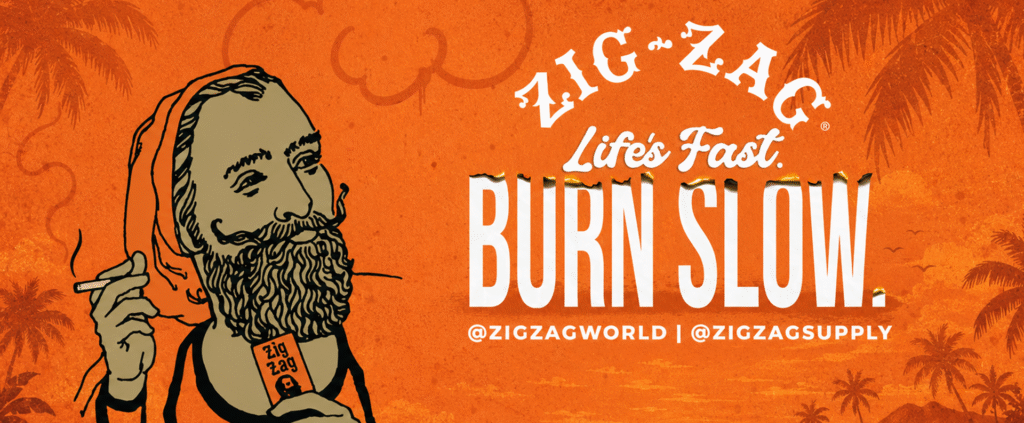
The most famous face in cannabis: How the Zig-Zag Man became a cultural icon | How to order Skittles Moonrock online
Learn how to buy CBD Oil online. TOP QUALITY GRADE A++
Cannabyss Inc. is the best place online to buy top quality weed, cannabis, vape, marijuana and CBD products. Get your borderless orders delivered at the pickup spot with ease. Top Grade products for client satisfaction.
👉 Click here to Visit our shop! 🛒
The Zig-Zag Man, known as Le Zouave, is the iconic mascot featured on Zig-Zag rolling papers. Inspired by a French soldier from the Crimean War, he has represented the brand for more than 145 years and has become one of the most recognizable symbols in cannabis culture.
You know the face.
Maybe you’ve spotted him behind the counter at a corner store. Maybe you’ve seen him airbrushed onto a garage wall, tattooed on someone’s forearm, or reimagined on a vintage rap tee worth way too much money on Grailed. Maybe you’ve even caught him strutting down a Paris runway.
Either way, you’ve seen him.
That mustachioed man in the loose beanie staring out from a pack of Zig-Zag papers isn’t just a mascot. He’s a cultural icon. A folk hero. The patron saint of rolling up.
For generations, the Zig-Zag Man has quietly occupied a unique place in music, art, fashion, and cannabis culture. He’s appeared on psychedelic concert posters, inspired classic hip-hop album covers, and earned enough nicknames to rival a heavyweight boxer.
But here’s the wild part: most people have no idea he’s more than 145 years old. Long before hashtags, mixtapes, or dispensaries, the Zig-Zag Man was already building his legend.
The origin story of the Zig-Zag Man
Every icon needs an origin story. The Zig-Zag Man’s happens to involve war, tobacco, and a little bit of improvisation.
The man on the pack is known as Le Zouave, inspired by soldiers from an elite French infantry unit during the Crimean War. According to company lore, during the Battle of Sevastopol in the 1850s, a Zouave soldier found himself in a crisis familiar to smokers everywhere: his pipe broke. A stray bullet shattered it mid-battle.
Most people would’ve called it a day. Not this guy. Thinking fast, he tore a piece of paper from his gunpowder cartridge pouch, filled it with loose tobacco, rolled it up, and lit it. Necessity, meet invention.
A few decades later, French brothers Maurice and Jacques Braunstein adopted the image of the resourceful soldier for their rolling paper brand. They also patented an innovative interleaving process that allowed papers to feed one after another. The folded pattern formed a distinctive “Z” shape—giving birth to the name Zig-Zag
And just like that, a battlefield workaround became one of the most recognizable symbols in smoking culture.
From mascot to mythology
All brands have logos. Few brands’ logos become icons. The Zig-Zag Man just happens to be the latter.
As cannabis culture spread through jazz clubs, college campuses, music festivals, and living rooms across America, Le Zouave evolved into something bigger than packaging. He became a subtle signal. A wink between people who knew.
The funny thing? Entirely different groups across the country started giving him the same nicknames. Some simply called him “The Zig-Zag Man”. Others knew him as “The Captain,” a nickname popularized by a late-1960s advertising campaign. And somehow, somewhere along the way, many smokers prescribed the name “Weed Jesus”.
Nobody seems entirely sure why. Which somehow makes it even better
The mark of counterculture
If the 1960s had a visual language, the Zig-Zag Man spoke it fluently.
In 1966, legendary psychedelic artists Stanley Mouse and Alton Kelley featured him prominently on a concert poster promoting a lineup that included Big Brother and the Holding Company, fronted by Janis Joplin.
Around the same era, renowned tattoo artist Milton Zeis created the first instance we could find of a Zig-Zag flash tattoo. For many fans, the Captain became a badge of identity – a symbol worth wearing permanently.
Not bad for a guy who started on a rolling paper booklet.
In 2025, Zig-Zag tapped into its roots in tattoo culture by launching its “Zig-Zag for Life” campaign, rewarding fans with Zig-Zag tattoos and a lifetime supply of cones – following up the campaign with limited-edition tattoo-inspired unbleached pre-rolled paper cones.
Then hip-hop made him immortal
The counterculture embraced the Zig-Zag Man. Hip-hop canonized him.
By the late 1980s and early 1990s, Zig-Zag’s unmistakable packaging had become visual shorthand for authenticity. If you knew, you knew.
In 1988, Eazy-E borrowed heavily from Zig-Zag’s design language for the artwork of We Want Eazy. Then came 1992. Dr. Dre’s The Chronic.
One of the most influential albums in hip-hop history featured a cover that paid unmistakable homage to Zig-Zag’s classic packaging design. It wasn’t subtle. It wasn’t accidental. It was iconic.
And the references didn’t stop with album art.
Snoop Dogg famously rapped that “Doggy Dogg is all about the Zig-Zag smoke” on Gz and Hustlas. Afroman turned the brand into a global sing-along with “Colt 45 and two Zig-Zags.” Since then, artists including Eminem, A$AP Rocky, Kodak Black, and Tyler, The Creator have all referenced Zig-Zag in their lyrics.
Very few brands become part of the culture. Even fewer become part of the vocabulary.
Still rolling, still relevant
Plenty of brands have history. Very few have history and relevance.
Today, Zig-Zag continues to bridge old-school heritage with modern smoking preferences. The classic French Orange and Original White booklets remain staples, but the lineup has expanded to include Unbleached Papers, Organic Hemp Papers, as well as pre-rolled Unbleached Cones & Organic Hemp Cones for smokers who prefer convenience over battlefield-level ingenuity.
The Captain’s influence has extended far beyond smoke shops. Luxury jeweler Chrome Hearts famously released a sterling silver Zig-Zag rolling machine that became an instant collector’s item. Decades later, examples still trade hands for eye-watering prices.
More recently, fashion house Amiri sent Le Zouaveinspired designs down Paris runways, proving that a mascot born in the 19th century can still feel completely at home in the modern style conversation.
Not many cultural icons can claim relevance across psychedelic rock, tattoo culture, West Coast rap, luxury fashion, and today’s cannabis scene. The Zig-Zag Man can.
The face that keeps the culture rolling
Some people see a logo. Others see a memory. A first concert. A favorite album. A trusted ritual. A pack passed around among friends.
For more than a century, the Zig-Zag Man has moved effortlessly between generations, subcultures, and creative movements while somehow staying exactly who he’s always been.
Part folk hero. Part cultural legend. Part trusted co-pilot for the perfect session.
So the next time you crack open an orange pack or fill a cone, give a quiet nod to the Captain. After all, he’s been keeping the culture rolling since the beginning.
Life’s fast. Burn slow
In 2026, Zig-Zag has kicked off its new campaign: Life’s Fast. Burn Slow.
In a world that’s constantly speeding up, Life’s Fast Burn Slow asserts the need to create space for what’s real. It reflects where culture is headed and what Zig‑Zag has always represented: rolling as an intentional act that slows you down and makes the experience more present.
Want to keep up with Zig-Zag? Follow@ZigZagSupply on Instagram and sign up for the Zig-Zag newsletter for early access to new releases, lifestyle drops, and limited-edition collections. The story is still being written—and Le Zouave isn’t slowing down anytime soon.
Strains & products
We learn how to roll an amazing joint with Zig-Zag
Leafly Staff
August 28, 2025


Leave a Reply
Want to join the discussion?Feel free to contribute!